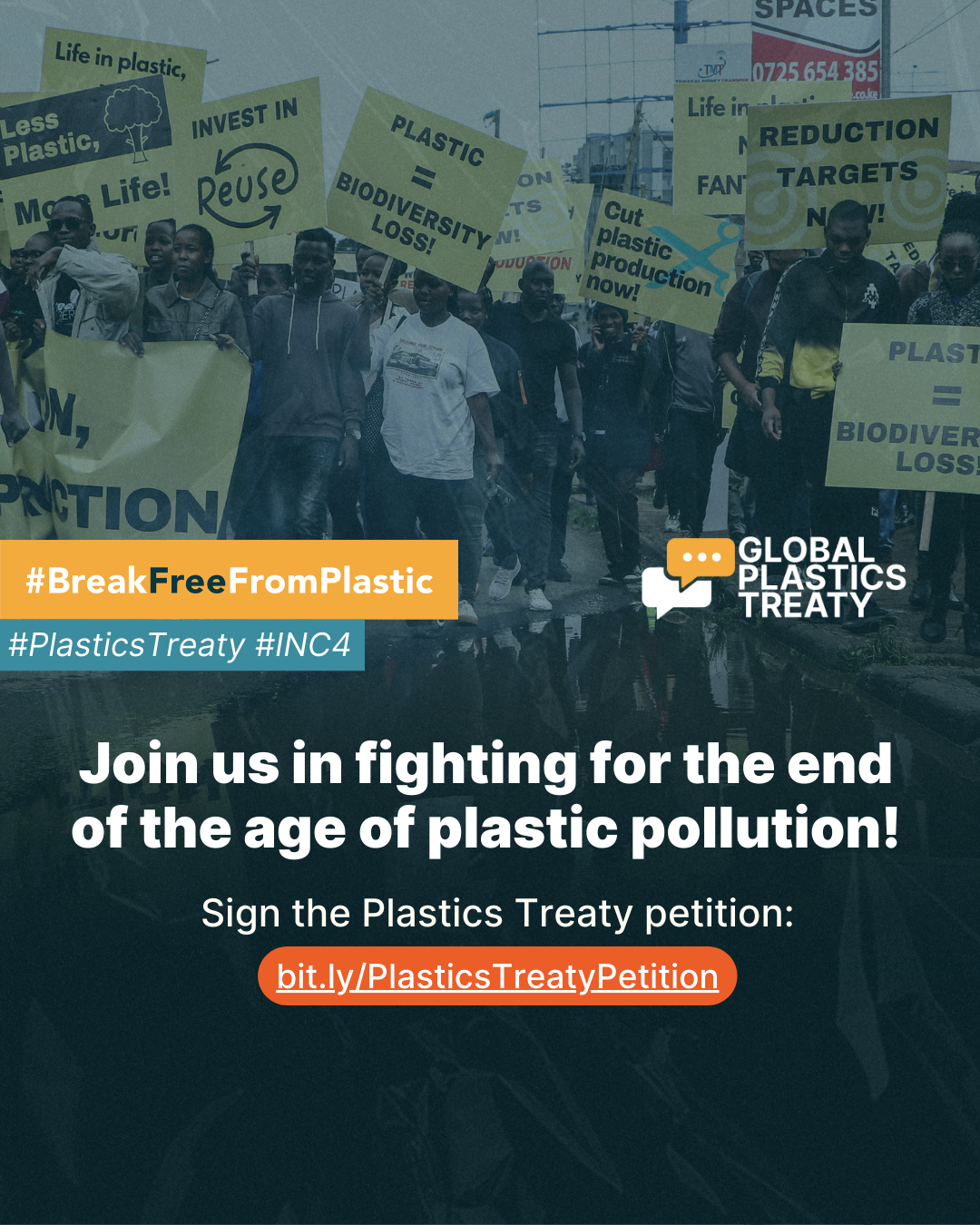
The Critical Need for a Comprehensive Global Plastics Treaty


A recent global study has brought to light the significant contributions of major brands to plastic waste, underscoring the urgency of addressing this environmental crisis through robust and enforceable measures. Analyzing data from 2018 to 2022 across 84 countries, the study identified that half of the plastic items found were unbranded, indicating a lack of accountability and transparency in plastic production and waste management. Notably, five corporations—The Coca-Cola Company, PepsiCo, Nestlé, Danone, and Altria—were responsible for 24% of the branded plastic waste, revealing a strong correlation between a company’s plastic production and its pollution footprint.

The findings of this study align closely with the recommendations outlined in IndyACT’s position paper on plastic pollution.

IndyACT emphasizes the need to address the entire lifecycle of plastics, including production by major companies. It advocates for global Extended Producer Responsibility (EPR) policies to shift waste management to producers, encouraging better design and waste reduction. The organization’s paper calls for comprehensive measures from production to disposal, focusing on upstream interventions and sustainable design. Additionally, IndyACT supports a robust treaty with enforceable objectives covering the plastics lifecycle and highlights the need to phase out plastics with toxic additives and promote reusable alternatives.

As world leaders discuss the Global Plastics Treaty, it is crucial to incorporate these insights and advocate for comprehensive, enforceable measures to tackle plastic pollution effectively.

Together, we can advocate for a cleaner, greener world. Join us in supporting the Global Plastics Treaty and take action to end plastic pollution.

???? Learn more: Science Advances

#PlasticPollution #Sustainability #EnvironmentalResearch #EcoFriendly #ReduceReuseRecycle #GlobalPlasticsTreaty #IndyACT #CircularEconomy #ClimateAction

Related blogs

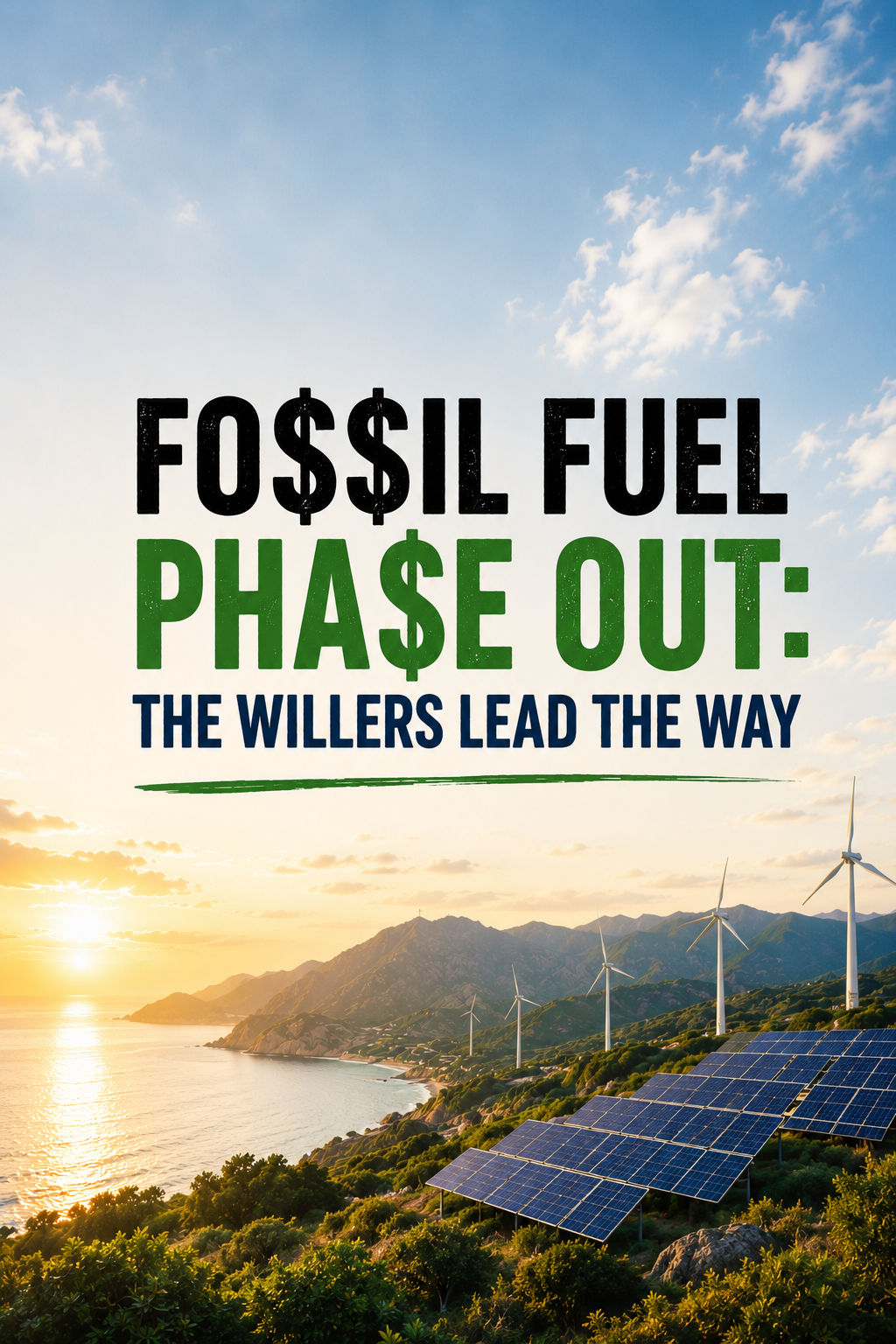
FO$$IL FUEL PHΑ$E OUT: The Willers Lead the Way

A few days ahead of a critical global milestone, the long-awaited “transition away from fossil  fuels” is finally moving from declaration to action — and a new force is emerging to make it  happen. While talkers do the talk, the willers walk the walk.  Colombia has convened a powerful group of willing nations — the Willers Coalition — to break  through the long-standing deadlock on fossil fuel phase-out and accelerate a fair, fast, and  funded transition. More than 50 countries have already confirmed their participation, forming a  coalition largely shaped by Global South priorities and realities. This bold effort goes beyond  negotiation tables and aims to build the political, financial, and social muscle required to  actually do the work that science demands.  The inaugural gathering — the Santa Marta Conference on the Transition Away from Fossil  Fuels, hosted in Santa Marta, Colombia — marks the first international meeting designed  explicitly to coordinate the phase-out of fossil fuels.  Proudly, IndyACT is part of this forward-leaning coalition, represented by its president Hala  Kilani. Our participation signals a clear message: Lebanon’s civil society is not waiting for the  system to fix itself — we are joining those who are building a new one.  During yesterday’s launch of the Out of Pocket report, speakers emphasized a reality too often  ignored: fossil fuels are not only destabilizing the climate — they are destabilizing economies,  deepening inequalities, and pushing entire communities to pay the price for a crisis they did not  create. As one speaker put it, “The cost of inaction is already out of pocket — and out of  control.”  The Willers Coalition recognizes that the shift to renewables is no longer just an environmental  necessity. It is a pathway to economic resilience, social justice, and even peace. For many Global 

Read More »

Strengthening Municipal Climate Action through a National Framework

      Within its Green Economy Programme, IndyACT is advancing a new initiative to strengthen  municipal climate action in Lebanon through the project “Strengthening and Networking for  Municipal Climate Protection Measures,” implemented in partnership with Green Mind and  supported by the IKI Small Grants programme.  Since the Paris Agreement, countries have committed to developing national climate strategies  and strengthening their Nationally Determined Contributions (NDCs). In Lebanon, the Ministry  of Environment has led this process, with IndyACT contributing through the “100% Lebanon  Vision” and the development of a long-term green economy pathway translated into the  country’s Low-Emission Development Strategy. However, ongoing economic and institutional  challenges have slowed national-level progress, while climate action has increasingly shifted to  municipalities. Despite this shift, local efforts often remain fragmented and insufficiently  connected to national planning frameworks.  At the core of this initiative is the establishment of a National Framework for Municipal Climate  Action under the Lebanon Climate Act (LCA). The Framework is designed to bridge the gap  between municipalities and the Ministry of Environment through a structured two-way system:  enabling the Ministry to share climate-relevant information, guidance, and tools with  municipalities, while allowing municipalities to report their climate actions and priorities back  into national planning and NDC development.  Beyond coordination, the Framework seeks to strengthen municipal capacity to design and 

Read More »